Modern home security systems have evolved far beyond simple alarm devices. Today, many homeowners and businesses rely on advanced surveillance technology to monitor entrances, parking areas, warehouses, offices, and other important locations. Among the many types of security cameras available, a pan tilt zoom camera is known for its ability to monitor a larger area while providing greater flexibility than a fixed camera.
A PTZ camera allows operators to move the camera horizontally, vertically, and zoom in on specific areas when additional detail is needed. This makes it a practical option for properties that require wider coverage without installing multiple fixed cameras.
DOT Canada provides professional security solutions, including security system and camera installation services for residential and commercial properties. Understanding how PTZ cameras work can help property owners choose equipment that best suits their security requirements.
What Is a PTZ Camera?
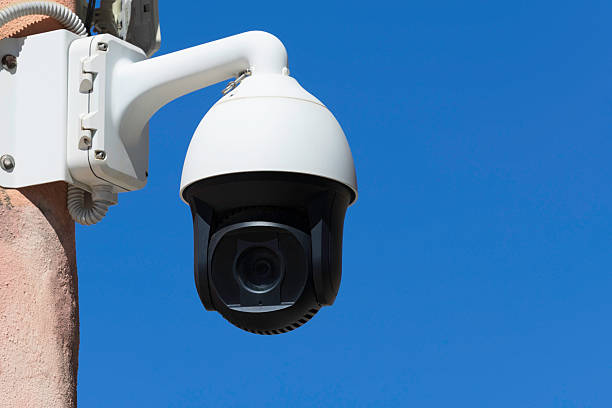
A PTZ camera is a surveillance camera designed to move in three different ways:
- Pan moves the camera from left to right.
- Tilt moves the camera up and down.
- Zoom brings distant objects closer for improved viewing.
Unlike a standard fixed camera that continuously records one viewing angle, a PTZ CCTV camera can monitor different parts of a property from a single installation point.
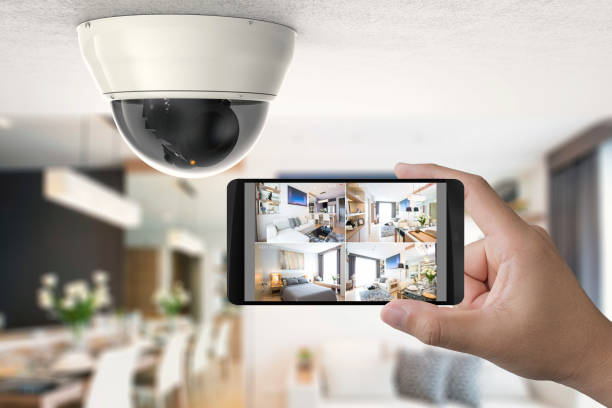
Many modern PTZ cameras can also be controlled remotely, allowing users to adjust the viewing direction whenever needed.
Because of this flexibility, PTZ cameras are commonly installed in locations where larger viewing areas need to be monitored.
How Does a PTZ Camera Work?
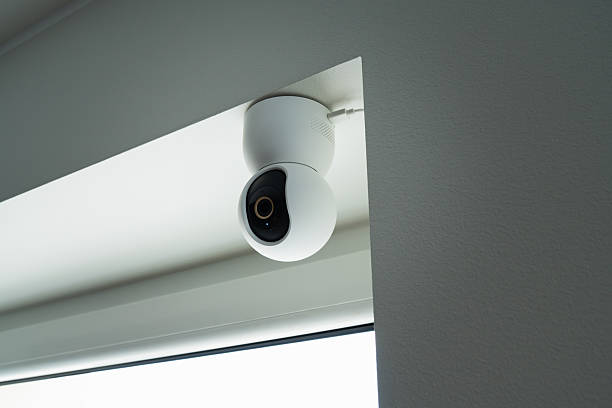
A PTZ camera contains small internal motors that allow the camera housing to rotate and change direction.
Depending on the system, the camera may be controlled through:
- A security recorder
- Security management software
- Mobile applications
- Computer-based monitoring systems
- Dedicated controller or joystick
The zoom function allows operators to view objects more closely without physically moving the camera.
Some systems also include programmable viewing patterns where cameras automatically move between preset positions during scheduled patrols.
Main Features of PTZ Cameras
Understanding the core functions of a PTZ camera helps explain why it is often selected for larger properties.
Pan Function
The pan feature rotates the camera horizontally to monitor different directions.
Instead of installing several cameras across one wall, a single PTZ unit can scan multiple viewing areas when configured correctly.
This feature is useful for monitoring:
- Parking areas
- Building entrances
- Loading zones
- Warehouses
- Large commercial spaces
Tilt Function
The tilt function moves the camera vertically.
Operators can adjust the viewing angle to monitor:
- Entry doors
- Multi-storey buildings
- Driveways
- Staircases
- Storage areas
Changing the vertical angle provides additional flexibility when viewing areas located above or below the original camera position.
Optical Zoom
The zoom feature allows users to view distant objects more clearly.
Unlike digital zoom, optical zoom uses the camera lens to magnify the image while maintaining better picture quality.
A PTZ video camera with optical zoom can help operators examine details such as activity around entrances, parking areas, or building perimeters without physically moving the equipment.
Benefits of PTZ Cameras
PTZ cameras offer several practical advantages for residential and commercial security applications.
| Benefit | Description |
|---|---|
| Wider Coverage | One camera can monitor multiple viewing angles. |
| Remote Control | Operators can adjust camera direction from a connected device. |
| Flexible Monitoring | Cameras can follow activity across larger areas. |
| Optical Zoom | Important details can be viewed without moving closer. |
| Reduced Equipment | Larger areas may require fewer cameras than fixed systems. |
The right camera selection depends on the size of the property, the areas requiring monitoring, and the overall security objectives.
PTZ Cameras vs Fixed Security Cameras
Both PTZ cameras and fixed cameras play important roles in modern surveillance systems.
| Feature | PTZ Camera | Fixed Camera |
|---|---|---|
| Viewing Direction | Adjustable | Fixed |
| Zoom Capability | Yes (model dependent) | Usually limited |
| Coverage Area | Large | Smaller focused area |
| Remote Operation | Yes | No |
| Best For | Large open spaces | Entrances and specific locations |
In many installations, PTZ cameras are used alongside fixed cameras to provide both broad coverage and continuous monitoring of key areas.
Where Are PTZ Cameras Commonly Used?
Because of their flexibility, PTZ pan tilt zoom cameras are suitable for a variety of environments.
Common applications include:
Commercial Buildings
Businesses often use PTZ cameras to monitor parking lots, loading areas, and building entrances.
Residential Properties
Larger homes with multiple outdoor access points may benefit from cameras capable of monitoring wider areas.
Industrial Facilities
Warehouses and manufacturing sites frequently require surveillance across large open spaces where movable cameras provide additional coverage.
Schools and Community Facilities
Educational institutions and community centres may use PTZ cameras to monitor common areas while supporting overall property security.
Choosing the Right Camera for Your Property
Selecting the right surveillance equipment depends on several factors rather than simply choosing the camera with the most features.
Consider:
- Property size
- Number of entry points
- Indoor or outdoor installation
- Lighting conditions
- Required viewing distance
- Existing security equipment
Some properties may benefit from combining fixed cameras with PTZ cameras to provide comprehensive coverage.
When planning a complete alarm security system, camera placement should be considered alongside other security components to create an effective overall solution.
Why Professional Surveillance Camera Installation Matters
Installing security cameras involves more than mounting equipment on a wall. Proper planning helps ensure cameras provide useful coverage while minimizing blind spots. A well-designed system also supports easier maintenance and future expansion.
Professional surveillance camera installation considers several important factors, including:
- Property layout
- Camera mounting height
- Lighting conditions
- Entry and exit points
- Network or cabling requirements
- Recording equipment placement
For example, a camera installed too high may miss important facial details, while one installed too low may become easier to tamper with. Proper positioning helps capture clear and useful footage.
Integrating PTZ Cameras with Home Security Systems
A PTZ camera can be an effective addition to modern home security systems, especially for larger properties or areas that require flexible monitoring.
Instead of relying on multiple fixed cameras to cover a wide outdoor space, one PTZ camera may be used to observe different sections of the property when positioned correctly.
Depending on the overall system design, PTZ cameras may work alongside:
- Fixed surveillance cameras
- Motion sensors
- Door and window sensors
- Video recording equipment
- An alarm security system
Using these technologies together creates a more complete security solution while allowing property owners to monitor important areas more effectively.
PTZ Cameras for Residential Properties
Many homeowners choose PTZ cameras because they offer greater flexibility than standard fixed cameras.
Common residential applications include:
Monitoring Driveways
Driveways are often one of the first access points to a property. A PTZ camera can provide a wider viewing angle while allowing users to zoom in when additional detail is needed.
Watching Front Entrances
Front doors receive regular visitor traffic. Positioning a PTZ camera near the entrance can help monitor activity around the property.
Covering Large Backyards
For larger residential lots, a single PTZ camera may cover areas that would otherwise require multiple fixed cameras.
Monitoring Detached Buildings
Garages, workshops, and storage buildings located away from the main home can also benefit from flexible camera coverage.
PTZ Cameras for Commercial Properties
Commercial environments often require surveillance across larger spaces.
Examples include:
- Office buildings
- Retail locations
- Warehouses
- Parking lots
- Industrial facilities
- Community buildings
A PTZ CCTV camera allows security personnel or property managers to monitor different sections of these locations without installing a large number of fixed cameras.
For businesses with changing operational needs, this flexibility can be valuable when monitoring loading areas, customer entrances, or outdoor spaces.
Best Practices for Camera Placement
Camera performance depends not only on the equipment itself but also on where it is installed.
Some general best practices include:
Focus on Key Entry Points
Entrances, exits, garages, and gates are common locations for surveillance cameras because they capture people entering and leaving the property.
Reduce Blind Spots
Large gaps between cameras may leave portions of the property unmonitored. Planning camera locations carefully helps improve overall coverage.
Consider Lighting
Outdoor lighting changes throughout the day. Positioning cameras to reduce glare and backlighting can improve image quality.
Protect the Equipment
Installing cameras in secure locations helps reduce the risk of accidental damage or tampering.
Plan for Future Expansion
Security needs can change over time. Choosing equipment and installation locations that allow additional cameras to be added later can simplify future upgrades.
Choosing Between PTZ and Fixed Cameras
There is no single camera that suits every property.
The best solution depends on the size of the area being monitored, the level of detail required, and the overall security objectives.
| Consideration | PTZ Camera | Fixed Camera |
|---|---|---|
| Large outdoor areas | Excellent | Limited |
| Continuous monitoring of one location | Moderate | Excellent |
| Remote viewing adjustments | Yes | No |
| Viewing flexibility | High | Fixed |
| Installation approach | Often used with other cameras | Suitable for dedicated viewing areas |
In many cases, combining both camera types provides balanced coverage throughout a property.
Supporting a Complete Security Solution
Security cameras are only one part of protecting a property.
Many homeowners and businesses choose to combine surveillance equipment with other security measures to create a more comprehensive system.
These may include:
- Controlled access points
- Motion detection
- Security alarms
- Video recording devices
- Remote viewing capabilities
DOT Canada provides professional security solutions designed for residential and commercial properties, helping customers select systems that suit their property’s requirements.
Conclusion
A PTZ camera offers greater flexibility than a traditional fixed camera by allowing users to pan, tilt, and zoom to monitor different areas from a single installation point. Whether used at a home, office, warehouse, or commercial facility, these cameras can support wider property coverage when incorporated into a well-planned security system.
Choosing the right camera depends on several factors, including property size, monitoring requirements, and the overall security strategy. In many situations, combining PTZ cameras with fixed cameras and an alarm security system can help create a balanced approach to property monitoring.
Professional planning and installation also play an important role in ensuring cameras are positioned correctly and integrated effectively with the rest of the security system.
If you would like to discuss security solutions for your home or business, contact us today.
Frequently Asked Questions
1.What does PTZ stand for?
PTZ stands for Pan, Tilt, and Zoom. These three functions allow the camera to move horizontally, vertically, and zoom in on areas that require closer viewing.
2.Are PTZ cameras suitable for homes?
Yes. PTZ cameras can be a practical option for larger residential properties where wider outdoor coverage is required.
3.Can PTZ cameras be used with other security cameras?
Yes. Many security systems combine PTZ cameras with fixed cameras to provide both flexible monitoring and continuous coverage of key locations.
4.Do PTZ cameras record video?
Most PTZ cameras can record video when connected to a compatible recording system. Recording options depend on the equipment used in the overall security system.
5.Why is professional surveillance camera installation important?
Professional installation helps position cameras correctly, improve coverage, reduce blind spots, and ensure the equipment is configured to match the property’s security requirements.
6.How do PTZ cameras support home security systems?
PTZ cameras provide flexible monitoring by allowing users to adjust the camera’s viewing direction and zoom level, making them a useful addition to many residential and commercial security systems.