CCTV cameras are an important part of modern security systems used to monitor residential, commercial, and industrial properties. They help property owners observe activity, record video footage, and improve awareness of what is happening in and around their premises. Whether installed at a home’s entrance, inside a retail store, or throughout a commercial facility, CCTV systems support day-to-day security by providing continuous visual monitoring.
A closed circuit television camera operates through a private video network. Unlike public television broadcasting, CCTV transmits video only to authorised monitors, recording devices, or users. This controlled system allows property owners and businesses to view live footage, review recorded events, and monitor multiple locations from a single platform.
As security requirements continue to evolve, CCTV systems have become more advanced. Today’s solutions include high-definition cameras, intelligent recording options, remote viewing capabilities, and flexible storage methods. Understanding how these systems work helps homeowners and businesses choose surveillance solutions that meet their operational and security needs.
DOT Canada provides security solutions that include professionally designed CCTV systems for both residential and commercial properties. Understanding the basics of CCTV technology is the first step in selecting a surveillance system that aligns with your property’s requirements.
Understanding CCTV Systems
Closed-Circuit Television, commonly known as CCTV, is a video surveillance system designed to capture, transmit, record, and display video within a secure and private network.
Unlike broadcast television, CCTV systems limit access to authorised users. This makes them suitable for monitoring locations where controlled access to video footage is important.
A CCTV system can be installed in a variety of environments, including:
- Residential homes
- Apartment buildings
- Retail stores
- Office buildings
- Warehouses
- Educational facilities
- Healthcare centres
- Industrial sites
The purpose of CCTV is not only to record activity but also to provide property owners with greater visibility over important areas such as entrances, exits, parking lots, reception areas, storage rooms, and workspaces.
Modern CCTV technology also supports integration with broader security systems, allowing surveillance to work alongside other security measures where required.
Main Components of a CCTV System
Every CCTV system contains several essential components that work together to capture, transmit, store, and display video.
CCTV Cameras
The camera is the primary component responsible for capturing video footage.
Modern CCTV cameras are available in a wide range of designs and resolutions to suit different monitoring environments. Some cameras are designed specifically for indoor use, while others are built to operate reliably in outdoor conditions.
Camera placement plays a significant role in overall surveillance effectiveness. Positioning cameras correctly helps maximise coverage while reducing blind spots.
Recording Device
After video is captured, it is transmitted to a recording device.
Most CCTV systems use one of the following:
- Digital Video Recorder (DVR)
- Network Video Recorder (NVR)
These devices store footage for future playback and allow users to review recorded events when necessary.
Storage capacity depends on several factors, including image resolution, recording schedule, and the number of connected cameras.
Monitor
A monitor displays live camera feeds or recorded footage.
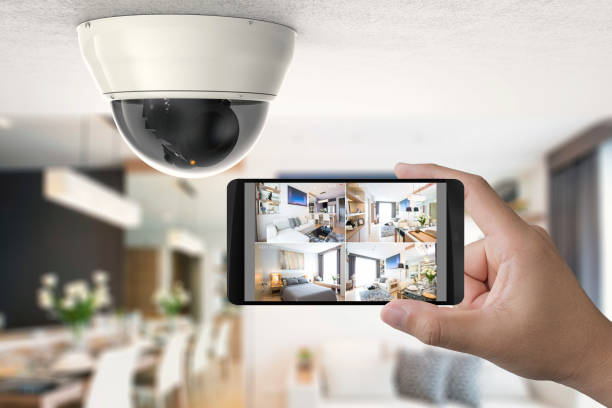
Commercial properties often use dedicated monitoring stations, while many modern systems also allow authorised users to access footage through computers, tablets, or smartphones.
The viewing method depends on the overall system configuration.
Network Infrastructure
Many modern surveillance systems include network connectivity.
Depending on the installation, cameras may communicate using Ethernet cables, wireless connections, or local networks.
Reliable network performance helps ensure smooth video transmission and supports features such as remote viewing when available.
How CCTV Cameras Work
Although CCTV technology has become more sophisticated over the years, the basic operating process remains relatively straightforward.
Step 1: Capturing Images
A closed circuit television camera continuously captures images using an electronic image sensor.
The sensor converts light into digital information that forms the video image.
Many cameras automatically adjust to changing lighting conditions, helping maintain image clarity throughout the day.
Some systems also include infrared technology, allowing surveillance to continue during low-light or nighttime conditions.
Step 2: Processing Video
Once images are captured, the camera processes them into digital video.
Modern compression technologies reduce file sizes while preserving image quality.
Efficient compression allows systems to store more footage without significantly increasing storage requirements.
Step 3: Transmitting the Footage
After processing, the video is transmitted to the recording device.
Transmission methods vary depending on the surveillance system.
Common methods include:
- Ethernet cable
- Coaxial cable
- Local network
- Wireless communication
Each approach offers different installation advantages depending on the property’s layout and surveillance requirements.
Step 4: Recording
The recording device stores the incoming video.
Recording options may include:
- Continuous recording
- Motion detection recording
- Scheduled recording
Motion detection is commonly used to reduce storage usage by recording only when movement occurs within the camera’s field of view.
Step 5: Viewing and Reviewing Footage
Authorised users can view live footage or review recorded video through connected monitoring devices.
Depending on the system configuration, footage may be accessed locally or remotely using secure applications.
This flexibility allows businesses and homeowners to monitor their properties more efficiently.
Types of CCTV Cameras
Different surveillance environments require different camera designs.
Selecting the right camera depends on the property’s layout, monitoring objectives, and installation location.
Dome Cameras
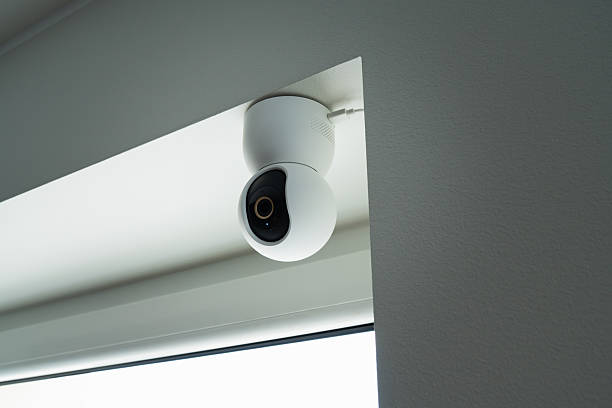
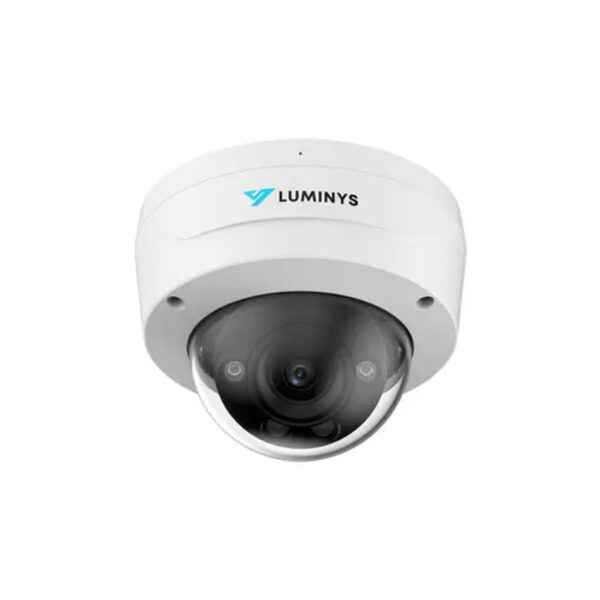
Dome cameras are among the most common indoor surveillance cameras.
Their compact design blends well into ceilings, making them suitable for offices, reception areas, schools, and retail environments.
The enclosed housing also makes it difficult to determine the camera’s viewing direction.
Bullet Cameras
Bullet cameras feature a long cylindrical shape and are commonly installed outdoors.
Their design allows them to monitor longer distances, making them suitable for:
- Building entrances
- Parking areas
- Driveways
- Loading zones
- Building perimeters
Their visible appearance can also contribute to increased security awareness around monitored areas.
Turret Cameras
Turret cameras provide flexible positioning while maintaining excellent image quality.
Unlike dome cameras, turret models minimise glare caused by protective covers, making them suitable for various lighting conditions.
They are commonly installed in both residential and commercial properties.
PTZ Cameras
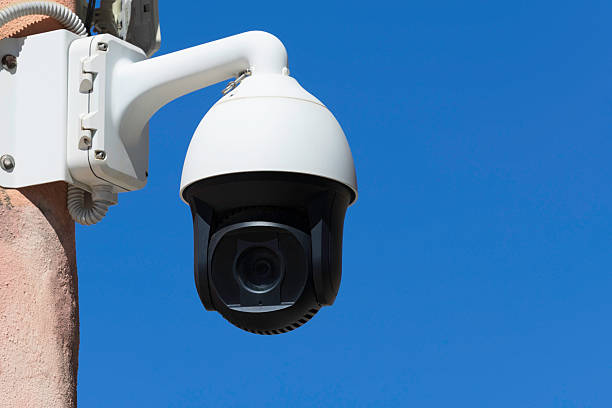
Pan-Tilt-Zoom (PTZ) cameras allow operators to adjust the viewing direction remotely.
These cameras can monitor larger areas without requiring multiple fixed cameras.
PTZ cameras are frequently used in:
- Warehouses
- Manufacturing facilities
- Parking lots
- Commercial campuses
Fisheye Cameras
Fisheye cameras use ultra-wide-angle lenses to monitor large open areas.
A single fisheye camera can often provide coverage that would otherwise require several traditional cameras.
They are commonly installed in:
- Reception areas
- Lobbies
- Conference spaces
- Retail environments
CCTV Camera Comparison
| Camera Type | Best Used For | Main Advantage | Common Installation |
|---|---|---|---|
| Dome Camera | Indoor monitoring | Discreet appearance | Ceilings |
| Bullet Camera | Outdoor security | Long viewing distance | Exterior walls |
| Turret Camera | Indoor and outdoor monitoring | Flexible positioning | Walls and ceilings |
| PTZ Camera | Large commercial spaces | Remote movement and zoom | Open areas |
| Fisheye Camera | Wide indoor coverage | 360-degree style viewing | Large rooms |
Recording and Storage Options
A CCTV system is only as effective as its ability to retain recorded footage.
Different storage methods offer different advantages depending on operational requirements.
Local Recording
Many CCTV cameras record directly to DVR or NVR systems installed on-site.
Local recording provides immediate access to footage while reducing reliance on internet connectivity.
Cloud Storage
Some surveillance systems support secure cloud storage.
Cloud recording allows authorised users to access footage remotely while helping protect recordings from hardware failure at the property.
Motion-Based Recording
Rather than recording continuously, motion detection begins recording only when activity is detected.
This method helps optimise storage capacity while still capturing important events.
Benefits of CCTV Cameras for Homes and Businesses
Installing CCTV cameras can support security planning for both residential and commercial properties. While every property has different monitoring requirements, CCTV systems help improve visibility, provide recorded footage, and allow property owners to monitor important areas more effectively.
The advantages of a CCTV system depend on selecting the right equipment, positioning cameras correctly, and maintaining the system over time.
Improved Property Monitoring
One of the main benefits of CCTV is continuous monitoring.
Cameras can be installed at entrances, exits, driveways, reception areas, warehouses, loading bays, and parking areas to help observe daily activity.
For homeowners, this provides greater awareness of activity around the property. For businesses, surveillance can assist with monitoring operations and securing key areas.
Video Recording for Review
A closed circuit television camera records video that can be reviewed whenever necessary.
Depending on the recording settings, footage may be stored continuously, on a schedule, or only when motion is detected.
Recorded footage provides a visual record of activity, allowing authorised users to review events when required.
Support for Residential Security
Residential CCTV systems are commonly installed to monitor:
- Front entrances
- Driveways
- Garages
- Backyards
- Side access points
Camera placement depends on the property’s layout and the areas that require monitoring.
Modern surveillance systems can also allow homeowners to view live footage remotely, depending on the chosen system configuration.
Support for Commercial Security
Businesses often require broader surveillance coverage.
Commercial CCTV systems may monitor:
- Reception areas
- Offices
- Retail floors
- Warehouses
- Loading docks
- Parking facilities
- Storage rooms
Using multiple cameras allows businesses to monitor different parts of the property while maintaining consistent video coverage.
Choosing the Right CCTV System
Every property has different surveillance requirements.
Before selecting a CCTV system, it is helpful to evaluate several practical considerations.
Property Size
The size of the building affects the number of cameras required.
Small homes may need only a few cameras, while larger commercial facilities often require multiple cameras covering entrances, workspaces, storage areas, and outdoor locations.
Planning camera placement carefully helps minimise blind spots.
Indoor and Outdoor Requirements
Indoor and outdoor environments require different equipment.
Outdoor surveillance typically uses weather-resistant closed circuit camera models designed to operate in changing environmental conditions.
Indoor cameras focus on monitoring enclosed spaces where lighting and environmental exposure are more controlled.
Selecting cameras designed for their intended environment supports reliable long-term performance.
Image Resolution
Image resolution determines the amount of visual detail captured.
Higher resolutions can improve image clarity, especially when monitoring larger areas or reviewing recorded footage.
However, higher-resolution video also requires additional storage capacity.
Choosing the appropriate resolution depends on the surveillance objectives and storage requirements.
Recording Preferences
Recording methods vary depending on operational requirements.
Common options include:
- Continuous recording
- Motion detection recording
- Scheduled recording
Each option offers different advantages depending on how the property is monitored.
Motion detection, for example, helps reduce storage usage while still recording important activity.
Future Expansion
Security needs often change over time.
Selecting a CCTV system that allows additional cameras to be added later provides greater flexibility as monitoring requirements evolve.
Scalable systems are particularly useful for growing businesses or expanding residential properties.
CCTV Maintenance Best Practices
Routine maintenance helps keep surveillance systems operating efficiently.
Although modern CCTV equipment requires relatively little maintenance, regular inspections help identify issues before they affect system performance.
Recommended maintenance activities include:
- Cleaning camera lenses to maintain image clarity.
- Inspecting camera mounts and brackets.
- Checking cable connections.
- Verifying recording functions.
- Reviewing available storage capacity.
- Updating firmware when applicable.
- Confirming camera positioning remains appropriate.
Periodic testing also helps ensure that recording devices, monitors, and connected cameras continue functioning as expected.
Common Features Found in Modern CCTV Cameras
Today’s CCTV cameras include a variety of features designed to improve surveillance performance and usability.
While available features vary between systems, many include the following capabilities.
Night Vision
Infrared illumination allows cameras to continue recording during low-light or nighttime conditions.
Night vision helps maintain surveillance even when visible lighting is limited.
Motion Detection
Motion detection automatically starts recording when movement is identified within the camera’s viewing area.
This recording method helps optimise storage while ensuring important activity is captured.
Wide Viewing Angles
Some cameras provide wider viewing angles, allowing larger areas to be monitored using fewer cameras.
Wide-angle cameras are often installed in:
- Retail stores
- Office spaces
- Reception areas
- Warehouses
Remote Monitoring
Many modern CCTV systems support secure remote viewing through authorised devices.
Depending on the system configuration, users may access live or recorded footage from computers, tablets, or smartphones.
This allows property owners and businesses to remain connected to their surveillance systems even when away from the premises.
High-Definition Video
Many surveillance systems now offer high-definition video that provides improved image detail.
Image quality depends on several factors, including camera resolution, lens quality, lighting conditions, and overall system configuration.
Common Misconceptions About CCTV Systems
Several misconceptions exist regarding CCTV technology.
Understanding the facts helps property owners make informed decisions.
Myth: Every CCTV System Needs Internet Access
Many CCTV systems record footage locally using DVR or NVR devices.
Internet connectivity is generally required only for features such as remote viewing or cloud storage.
Myth: Higher Resolution Solves Every Security Need
Higher resolution improves image detail, but camera placement, lighting, and system design also influence overall surveillance effectiveness.
Proper installation is just as important as camera resolution.
Myth: CCTV Cameras Record Continuously
Some systems record continuously, while others record only when motion is detected or according to a scheduled timetable.
The recording method depends on system settings and operational requirements.
CCTV Cameras and Integrated Security
CCTV is often one component of a broader security strategy.
Many residential and commercial properties combine surveillance with other security technologies, such as access control systems, alarm systems, and video monitoring solutions.
Using multiple security measures together can improve overall property management while supporting more comprehensive monitoring.
Selecting the right combination depends on the property’s layout, operational requirements, and long-term security objectives.
Conclusion
Understanding how CCTV cameras work makes it easier to choose a surveillance solution that meets the needs of a home or business. From capturing video and storing recordings to selecting the right camera type and maintenance approach, every part of a CCTV system contributes to effective monitoring.
Whether installing a closed circuit television camera for residential use or implementing closed circuit television CCTV cameras across a commercial property, choosing the right equipment begins with understanding the property’s requirements, monitoring goals, and future security needs.
If you are planning a CCTV system for your home or business, contact us today to discuss a solution that aligns with your property’s security requirements.
Frequently Asked Questions
1.What are CCTV cameras?
CCTV cameras are surveillance devices that capture and record video within a private monitoring system. They are widely used in homes, businesses, schools, warehouses, and other properties.
2.How does a closed circuit television camera work?
A closed circuit television camera captures images, converts them into digital video, and sends the footage to a recording device or monitor through a secure connection.
3.What is the difference between CCTV and regular television?
CCTV operates within a private network and is intended only for authorised viewing. Traditional television broadcasts content to the general public.
4.Can CCTV cameras work without internet access?
Yes. Many CCTV systems record footage locally using DVR or NVR devices without requiring an internet connection. Internet access is generally needed only for remote viewing or cloud storage.
5.Which type of closed circuit camera is suitable for outdoor use?
Outdoor surveillance commonly uses weather-resistant bullet or turret cameras because they are designed to withstand changing environmental conditions.
6.How long can CCTV footage be stored?
Storage duration depends on factors such as recording quality, storage capacity, recording schedule, and the number of connected cameras.
7.Are CCTV systems suitable for both homes and businesses?
Yes. CCTV systems can be configured for residential, commercial, educational, healthcare, and industrial environments. The number and type of cameras are selected according to the property’s monitoring requirements.