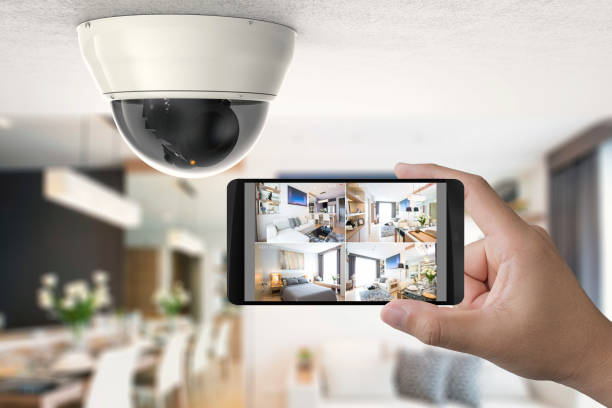
Modern surveillance camera installation involves more than simply mounting cameras around a property. Behind every security camera system is a recording device that stores footage for future viewing and investigation. Two of the most common recording technologies are Digital Video Recorders (DVRs) and Network Video Recorders (NVRs).
Whether you are planning a security system for a home, office, retail space, or commercial property, understanding the difference between these recording methods can help you choose a solution that matches your property’s requirements.
DOT Canada provides professional security solutions, including CCTV and surveillance camera installation for residential and commercial properties. As part of a complete security system, selecting the appropriate recording equipment helps support reliable video storage and monitoring.
Understanding Video Recording Systems
Security cameras capture video, but they also require equipment that records and stores that footage.
Recording systems allow property owners to:
- Review recorded events
- Monitor live camera feeds
- Store footage for future reference
- Manage multiple cameras from one location
The two most common recording systems are DVRs and NVRs.
Although both perform similar functions, they operate differently and are compatible with different types of cameras.
What Is a DVR?
A Digital Video Recorder (DVR) records footage from analogue security cameras.
In a DVR system, cameras send video signals through coaxial cables directly to the recorder, where the footage is processed and stored.
DVR technology has been used in security systems for many years and remains suitable for many residential and commercial applications.
Typical DVR systems include:
- Analogue CCTV cameras
- Coaxial cabling
- Digital video recorder
- Storage hard drive
- Monitor for viewing footage
Because video processing occurs inside the recorder, the cameras themselves are generally less complex than network cameras.
Advantages of DVR Systems
A DVR system may be suitable when:
- Existing coaxial cabling is already installed.
- An older analogue CCTV system is being upgraded.
- A straightforward recording solution is required.
- Camera coverage requirements are relatively simple.
Many existing buildings continue to use DVR systems because they can integrate with established cabling infrastructure.
What Is an NVR?
An NVR, or Network Video Recorder, works differently from a DVR.
Instead of receiving analogue video through coaxial cables, an NVR records video transmitted across a network from IP cameras.
Because image processing takes place within the camera itself, NVR systems work with network-connected cameras rather than traditional analogue cameras.
When comparing network video recorder vs DVR technology, one of the main differences is how video data is transmitted before it reaches the recorder.
Network-based systems often provide greater flexibility when planning larger surveillance installations.
Advantages of NVR Systems
NVR systems are commonly selected for installations that may require:
- Flexible camera placement
- Network connectivity
- Easier expansion
- Higher-resolution IP cameras
The equipment selected always depends on the property’s layout and security requirements rather than one system being universally better than the other.
DVR vs NVR: Understanding the Main Differences
When comparing NVR vs DVR, it is important to remember that both systems perform the same basic function of recording security footage.
The primary differences involve how cameras connect, how video is processed, and the type of infrastructure used during installation.
Camera Compatibility
DVR systems typically connect with analogue CCTV cameras.
NVR systems work with IP-based network cameras.
Choosing the appropriate recorder therefore depends on the type of cameras being installed.
Cabling Requirements
DVR installations generally rely on coaxial cable.
NVR systems usually communicate over Ethernet network cabling.
For properties undergoing new surveillance camera installation, installers evaluate the existing infrastructure before recommending a recording solution.
Image Processing
One important distinction in the DVR vs NVR comparison is where video processing occurs.
In DVR systems:
- The recorder processes incoming video.
In NVR systems:
- Individual IP cameras process video before sending it across the network.
This architectural difference influences the equipment used throughout the installation.
Comparison Table
| Feature | DVR | NVR |
|---|---|---|
| Camera Type | Analogue CCTV | IP Cameras |
| Cabling | Coaxial | Ethernet |
| Video Processing | Recorder | Camera |
| Installation Type | Traditional CCTV | Network-based CCTV |
| Suitable for Existing Analogue Systems | Yes | Usually requires IP cameras |
| Expansion | Depends on recorder capacity | Often easier to expand |
Neither system is inherently better for every property. The right choice depends on the building’s infrastructure, security objectives, and the type of cameras being installed.
Which Recording System Is Right?
Selecting between NVR vs DVR depends on several practical considerations.
Existing Equipment
Properties with existing analogue cameras may continue using DVR technology if it meets operational needs.
New Installations
New projects may consider network-based equipment where appropriate, depending on the property’s layout and surveillance requirements.
Property Size
Larger commercial facilities often require different planning compared to residential homes.
Future Expansion
If additional cameras may be added later, expansion requirements should be considered during the initial planning stage.
Professional planning helps ensure the recording system supports both current and future security needs.
Why Professional Surveillance Camera Installation Matters
A security camera system is most effective when it is designed to match the property’s layout and security requirements. While selecting between a DVR and an NVR is important, proper surveillance camera installation also plays a significant role in overall system performance.
During installation, several factors should be considered, including:
- Camera placement
- Coverage of entrances and exits
- Lighting conditions
- Cable routing or network infrastructure
- Recording equipment location
- Future expansion requirements
Proper planning helps reduce blind spots and ensures cameras capture useful footage from key areas around the property.
Supporting Home Security Systems
Modern home security systems often combine several security components rather than relying on cameras alone.
Depending on the property’s requirements, a complete security system may include:
- Surveillance cameras
- Recording equipment
- Motion sensors
- Door and window sensors
- An alarm security system
- Mobile viewing capabilities, where supported by the selected equipment
The recording system serves as the central location for storing video footage, making it an important part of an overall security solution.
DVR Systems in Residential Properties
DVR systems continue to be used in many homes, particularly where analogue CCTV cameras are already installed.
For homeowners upgrading an existing system, replacing only the recorder or selected components may be an option depending on the existing infrastructure.
Because DVR systems use coaxial cabling, they can often work well in properties that already have this wiring in place.
NVR Systems for Modern Installations
When planning a new surveillance camera installation, IP camera systems paired with an NVR may be considered where network infrastructure supports the installation.
Since IP cameras communicate over a network, installers evaluate:
- Network availability
- Camera locations
- Power requirements
- Recording capacity
- Future expansion needs
Every installation is different, so the most appropriate solution depends on the property’s layout and security objectives rather than choosing one technology over another.
Choosing Between DVR and NVR
When comparing DVR vs NVR, there is no single answer that suits every property.
The right recording system depends on several practical considerations.
Existing Infrastructure
If analogue cameras and coaxial cabling are already installed, continuing with a DVR system may be appropriate.
For new projects, network-based equipment may be suitable where the property layout supports IP camera installation.
Property Size
Residential homes, offices, retail stores, warehouses, and commercial buildings each have different surveillance requirements.
Larger properties often require additional planning to ensure cameras provide adequate coverage throughout the site.
Number of Cameras
The number of cameras required can also influence the choice of recording equipment.
Properties expecting future expansion should consider equipment capable of supporting additional cameras if security needs change over time.
Budget and Long-Term Planning
Choosing a recording system should balance current requirements with future flexibility.
A well-planned security system can help simplify future upgrades while supporting reliable operation over the long term.
Best Practices for Surveillance Camera Installation
Regardless of whether a DVR or NVR is selected, following good installation practices helps improve system performance.
Position Cameras Carefully
Install cameras where they provide clear views of entrances, exits, driveways, parking areas, and other important locations.
Reduce Blind Spots
Careful planning helps minimise areas that are not covered by surveillance cameras.
Protect Recording Equipment
Recording devices should be installed in secure locations that help protect stored footage and system components.
Consider Future Expansion
Planning additional capacity during the initial installation may simplify future upgrades if more cameras are needed.
Schedule Routine Maintenance
Periodic inspections help ensure cameras, recording equipment, and cabling continue operating as expected.
Supporting Residential and Commercial Security
Security requirements vary from one property to another.
Residential properties often focus on:
- Entry doors
- Driveways
- Garages
- Backyards
Commercial properties may require surveillance for:
- Customer entrances
- Reception areas
- Offices
- Warehouses
- Loading zones
- Parking facilities
Choosing the right recording equipment is only one part of creating a reliable security solution. Camera placement, installation quality, and system design also contribute to effective monitoring.
Conclusion
Choosing between a DVR and an NVR depends on the property’s existing infrastructure, the type of cameras being used, and the overall security objectives. Both recording systems play an important role in storing and managing surveillance footage, and each offers advantages depending on the installation.
Whether planning a new surveillance camera installation or upgrading an existing system, careful planning helps ensure the recording equipment supports your security requirements both now and in the future. Combining suitable recording technology with well-positioned cameras and a properly designed alarm security system can contribute to a more complete security solution.
If you would like to discuss security solutions for your home or business, contact us today.
Frequently Asked Questions
1.What is the difference between a DVR and an NVR?
A DVR records video from analogue CCTV cameras using coaxial cables, while an NVR records video from IP cameras connected through a network.
2.Which is better, DVR or NVR?
Neither is universally better. The right choice depends on your existing infrastructure, camera type, and security requirements.
3.Can I upgrade from a DVR to an NVR?
In many cases, upgrading is possible, but it may require replacing analogue cameras with IP cameras and updating parts of the existing infrastructure.
4.Do DVR and NVR systems both record security footage?
Yes. Both systems are designed to record, store, and manage video captured by compatible security cameras.
5.Why is professional surveillance camera installation important?
Professional installation helps ensure cameras are positioned correctly, recording equipment is configured properly, and the system provides effective coverage for the property.
6.Can DVR and NVR systems be used with home security systems?
Yes. Both recording systems can be incorporated into home security systems, depending on the type of cameras and the overall system design.