Planning smart home wiring is one of the most important steps when building a new home or renovating an existing property. A well-designed wiring plan supports home security systems, reliable internet connectivity, communication equipment, and surveillance technologies that homeowners may need today and in the future. Proper planning also helps reduce unnecessary modifications once construction is complete.
For homeowners across Canada, smart home wiring is not only about convenience. It also creates the foundation for security, connectivity, and organized technology infrastructure. Whether you are installing an alarm security system, planning surveillance camera installation, or preparing your home for future upgrades, structured wiring allows these systems to work efficiently.
DOT Canada provides technology solutions that include security services, communication systems, internet solutions, and structured installations for residential and commercial properties. By considering your technology requirements before construction or renovation begins, you can create a home that is prepared for current and future needs.
Why Smart Home Wiring Matters
Many homeowners focus on choosing devices after construction is complete. However, the wiring installed behind the walls determines how effectively those devices perform over time.
Smart home wiring creates dedicated pathways for communication cables, security equipment, and network connections. Unlike adding cables after walls have been finished, installing wiring during construction or major renovations provides greater flexibility and helps create a cleaner installation.
Some of the most common systems supported through structured wiring include:
- Home security systems
- Alarm security system components
- Surveillance camera installation
- Internet and network equipment
- Television signal distribution
- Communication systems
Planning these systems together helps avoid duplicate work and simplifies future upgrades.
Planning Smart Home Wiring Before Construction
New construction offers the best opportunity to install structured wiring because walls and ceilings remain open throughout the building process.
Instead of thinking only about today’s technology, homeowners should also consider future requirements. Additional cable runs installed during construction can save significant time and expense if new equipment is added later.
A successful wiring plan usually begins by identifying the areas where technology will be used most frequently.
Living Areas
Living rooms often require multiple network connections to support communication equipment, television services, and other connected devices. Installing structured cabling during construction helps keep equipment organized while reducing visible cables.
Home Offices
Reliable internet connectivity has become increasingly important for remote work and online communication. Planning dedicated network connections during construction can provide more stable performance than relying entirely on wireless connections.
Entry Points
Front entrances, garages, and side doors are common locations for security devices. Planning wiring for these areas allows easier installation of surveillance cameras and alarm security system components.
Outdoor Spaces
Many homeowners include outdoor security cameras to monitor driveways, entrances, patios, and other exterior areas. Running cables before construction is completed creates a cleaner installation and protects wiring from unnecessary exposure.
How to Organize Smart Home Wiring
One of the most common questions homeowners ask is how to organize smart home wiring effectively.
The answer begins with creating a structured wiring plan that keeps all communication equipment organized in one location.
Several best practices can improve long-term reliability.
Install a Central Communication Cabinet
A dedicated communication cabinet provides a central location for networking equipment, internet connections, security hardware, and communication cables. Keeping equipment together makes future maintenance much easier.
Label Every Cable
Each cable should be clearly labeled during installation. Accurate labeling allows technicians to identify connections quickly during maintenance or future upgrades.
Separate Low-Voltage and Electrical Wiring
Low-voltage communication cables should be installed separately from standard electrical wiring whenever possible. Proper cable management helps maintain system performance while supporting easier troubleshooting.
Plan for Future Expansion
Technology continues to evolve. Installing additional conduits or spare network cables during construction allows homeowners to add new devices without opening finished walls.
Planning ahead can save both time and installation costs in the future.
Smart Home Wiring Renovation Ideas
Renovation projects present different challenges because existing walls and finished surfaces limit access to wiring.
Fortunately, careful planning allows many homes to be upgraded without major structural changes.
Some practical smart home wiring renovation ideas include replacing older communication cables with modern network cabling, improving wiring for home security systems, and preparing for future surveillance camera installation.
Existing pathways such as attics, crawl spaces, unfinished basements, and utility rooms often provide efficient routes for new wiring while minimizing disruption to finished living areas.
Homeowners researching how to remodel smart home wiring should begin by identifying which systems require immediate upgrades and which technologies may be added later. This approach creates a flexible infrastructure that can support future expansion without repeated renovation work.
Small Smart Home Wiring Ideas
Not every smart home project involves a complete renovation.
Many homeowners begin with smaller improvements that support everyday convenience while preparing for future upgrades.
Some practical small smart home wiring ideas include installing network connections for home offices, preparing wiring for surveillance cameras at entry points, adding structured cabling near entertainment areas, and creating dedicated cable routes for communication equipment.
Even simple improvements completed during minor renovation projects can make future technology installations much easier while reducing visible wiring throughout the home.
Planning Home Security Systems During Construction
Including home security systems in your wiring plan during construction or renovation helps create a more organized and reliable installation. Rather than adding cables after the walls are finished, planning early allows security devices to be placed where they provide the best coverage while keeping wiring concealed.
A well-planned security system should complement the layout of the property and the homeowner’s requirements. Every home is different, so the number of devices and their locations will vary depending on the size of the property and the areas that need monitoring.
When planning a security system, it is helpful to consider:
- Main entry doors
- Side and rear entrances
- Garages
- Driveways
- Ground-floor windows
- Outdoor living areas
Thinking about these locations during construction makes future installation more efficient and reduces the need for additional modifications.
Alarm Security System Considerations
An alarm security system is designed to help monitor access points and notify property owners when unusual activity is detected. Planning the wiring before construction or renovation is complete provides greater flexibility for placing sensors and control equipment.
Several factors should be considered before installation.
Entry Points
Doors and accessible windows are common locations for alarm sensors. Planning these locations early helps ensure that wiring can be installed neatly before walls are finished.
Control Panel Location
The control panel should be installed in a location that is accessible for the homeowner while remaining protected from unnecessary damage or interference. Selecting the location during the planning stage helps organize cable routing throughout the home.
Power and Communication
Many alarm systems require reliable power and communication connections. A structured wiring plan helps support these requirements and makes future maintenance easier if additional devices are added.
Planning for Surveillance Camera Installation
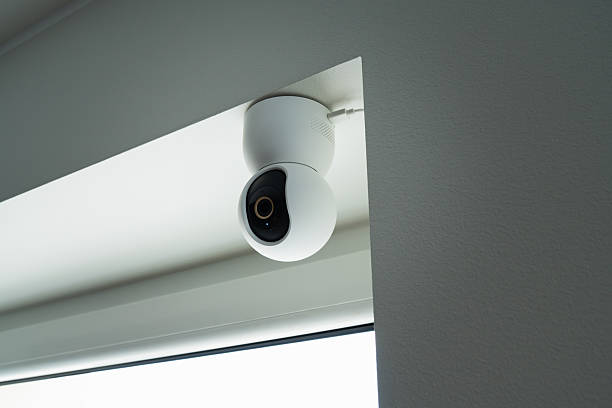
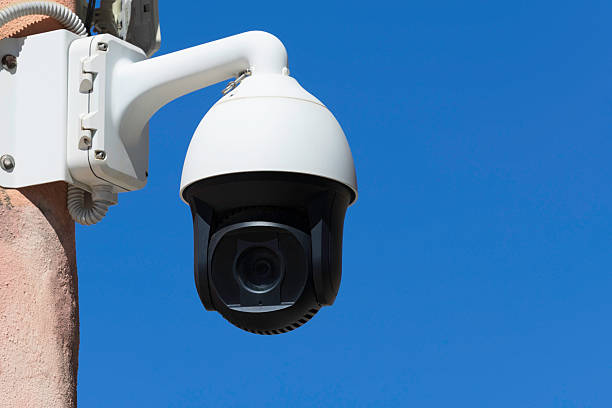
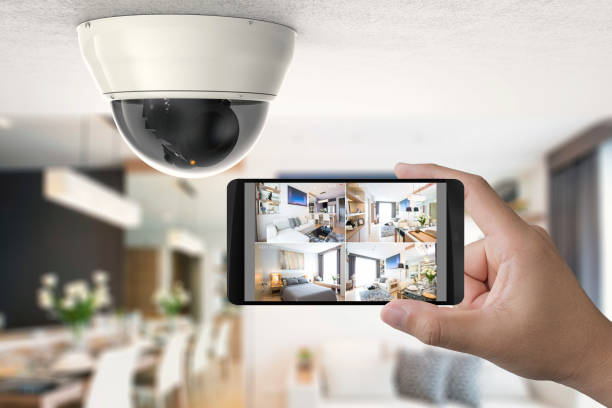
Surveillance camera installation begins with careful planning rather than simply choosing camera models. The effectiveness of a security camera depends on its location, viewing angle, and connection to the property’s network and recording equipment.
Before installation, homeowners should identify the areas that require the most visibility.
Common locations include:
- Front entrance
- Driveway
- Garage
- Backyard
- Side access points
- Walkways
Planning cable routes during construction creates a cleaner appearance by keeping wiring hidden within the walls whenever possible. It also simplifies future maintenance if cameras need to be upgraded or additional units are installed.
Reliable network connectivity is another important consideration. Many modern security cameras communicate through the home’s network, making structured cabling an important part of overall system performance.
Supporting Reliable Network Infrastructure
Smart home technology depends on a stable communication network. While wireless devices continue to improve, many systems benefit from structured network cabling that provides consistent performance.
Planning network connections throughout the property helps support devices such as:
- Security cameras
- Alarm system components
- Communication equipment
- Smart televisions
- Internet access points
Installing network cabling during construction provides greater flexibility for future upgrades while helping maintain reliable connectivity across the property.
Common Smart Home Wiring Mistakes
Proper planning helps avoid several common mistakes that can make future upgrades more difficult.
Installing Only for Current Needs
Technology continues to evolve. Installing additional cable pathways or spare network cables during construction allows homeowners to expand their systems without opening finished walls.
Poor Cable Identification
Unlabeled cables can make future maintenance time-consuming. Clearly identifying every cable helps simplify repairs and equipment upgrades.
Ignoring Outdoor Requirements
Outdoor technology often requires dedicated wiring. Planning for surveillance cameras, communication equipment, and future installations ensures the property is prepared for additional security improvements.
Choosing Equipment Locations Too Late
Waiting until construction is nearly complete to decide where networking or security equipment will be installed can lead to unnecessary changes. Planning equipment locations early allows wiring to be organized more efficiently.
Best Practices for Long-Term Flexibility
A structured wiring system should support both current and future technology requirements.
Some practical recommendations include:
- Create a wiring plan before construction begins.
- Install additional conduit where future expansion may be needed.
- Label every communication cable.
- Keep networking equipment in a central location.
- Document cable routes for future reference.
- Consider future security requirements even if every device will not be installed immediately.
These practices help homeowners adapt to changing technology while reducing the need for extensive modifications later.
Conclusion
Planning smart home wiring during new construction or renovations provides a strong foundation for reliable technology throughout the property. A well-designed wiring plan supports home security systems, alarm security system components, surveillance camera installation, and network infrastructure while making future upgrades more manageable.
By considering security, communication, and connectivity requirements early in the project, homeowners can create an organized infrastructure that meets both current and future needs. DOT Canada offers professional technology solutions for residential and commercial properties, helping customers plan installations that support long-term performance. Contact us today to learn more about the available solutions and discuss your project requirements.
Frequently Asked Questions
1.What is smart home wiring?
Smart home wiring is the structured cabling installed throughout a property to support technologies such as home security systems, communication equipment, internet connections, and surveillance cameras.
2.Why should smart home wiring be planned before construction?
Planning before construction allows cables to be installed while walls are open, making installation more efficient and reducing the need for future modifications.
3.How do I organize smart home wiring?
The best approach is to use a central communication cabinet, label all cables, separate communication wiring from electrical wiring, and keep documentation of cable locations for future maintenance.
4.Can smart home wiring be added during renovations?
Yes. Many existing homes can be upgraded during renovations by using accessible spaces such as attics, crawl spaces, and unfinished basements to route new wiring.
5.Why are home security systems included in smart home wiring?
Planning wiring for home security systems during construction helps support surveillance cameras, alarm systems, and communication equipment while keeping installations neat and organized.
6.What should be considered before surveillance camera installation?
Camera placement, cable routing, network connectivity, and future expansion should all be considered before installation begins to ensure reliable performance and effective coverage.
7.How can homeowners prepare for future technology?
Installing additional network cables, spare conduit, and organized communication infrastructure during construction makes it easier to add new devices as technology evolves.