
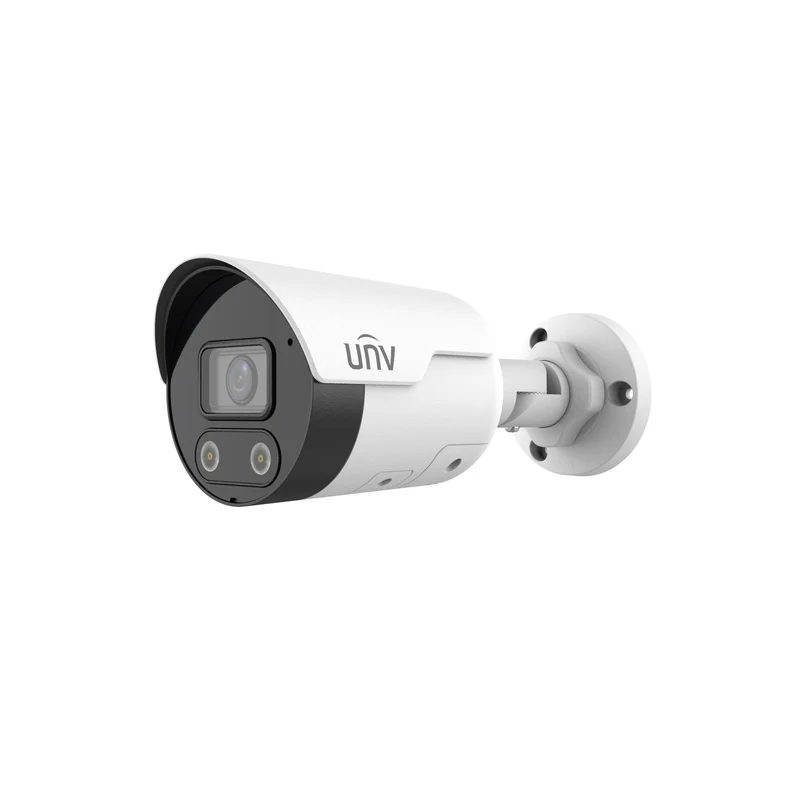
Wireless security cameras have become a common choice for homeowners and businesses looking to improve property security. However, wired systems and WiFi camera solutions continue to play an important role in modern surveillance. Each type of camera offers different advantages depending on the property’s layout, monitoring requirements, installation preferences, and maintenance expectations.
Choosing the right surveillance system requires understanding how each technology works rather than simply comparing prices or features. A camera that performs well in one environment may not be the best option for another. By comparing wired, wireless, and WiFi security cameras, property owners can make informed decisions that align with their security needs.
DOT Canada provides security solutions for residential and commercial environments, helping customers select surveillance systems that match their property’s requirements. Understanding the differences between available camera types is the first step toward building an effective security system.
Understanding the Different Types of Security Cameras
Although the terms “wireless” and “WiFi” are often used interchangeably, they do not always describe the same type of surveillance system.
Wired Security Cameras
Wired security cameras connect directly to a recording device using physical cables. Depending on the system, these cables may carry both power and video data or use separate connections.
Because they rely on physical wiring, wired systems provide stable communication between cameras and recording equipment. They are commonly installed in locations where uninterrupted surveillance is important, including offices, warehouses, retail stores, educational facilities, and larger residential properties.
Since data travels through cables rather than wireless signals, wired systems are generally less affected by signal interference.
Wireless Security Cameras
Wireless security cameras transmit video signals without requiring dedicated data cables. Some models operate using rechargeable batteries, while others still require a wired power connection.
One of the biggest advantages of wireless systems is installation flexibility. Cameras can often be positioned in locations where installing data cables would be difficult or costly.
Many homeowners choose wireless security cameras because they can be relocated if monitoring requirements change over time.
WiFi Camera Systems
A WiFi camera connects to an existing wireless internet network to transmit video footage and provide remote viewing capabilities.
Most WiFi cameras allow users to monitor live footage using smartphones or computers. Depending on the model, recordings may be stored locally, on network storage devices, or through cloud-based services.
It is important to understand that not every wireless camera relies on WiFi. Some wireless internet security cameras communicate using other wireless technologies, while WiFi cameras specifically depend on a stable wireless network.
Wired vs. Wireless vs. WiFi Camera Comparison
| Feature | Wired Cameras | Wireless Security Cameras | WiFi Camera |
|---|---|---|---|
| Installation | More complex | Easier | Easy |
| Data Connection | Physical cable | Wireless signal | Wireless network |
| Internet Required | No | Depends on model | Yes for remote access |
| Reliability | Very high | High | Depends on WiFi quality |
| Remote Viewing | Optional | Often available | Standard feature |
| Flexibility | Limited | Excellent | Excellent |
| Maintenance | Low | Moderate | Moderate |
| Best For | Permanent installations | Flexible surveillance | Connected smart properties |
Reliability and Performance
Reliability is one of the most important factors when selecting a surveillance system.
Wired security cameras maintain a direct connection between the camera and recording equipment. Since they do not depend on wireless communication, they are less likely to experience interruptions caused by signal interference.
Wireless security cameras provide dependable performance when installed within their recommended operating range. However, walls, metal structures, and other physical obstacles may reduce signal strength in some environments.
A WiFi camera depends on the quality of the wireless network. Slow internet speeds, router placement, or network congestion can affect live viewing or cloud-based recording. For this reason, a strong and reliable WiFi network is essential for consistent performance.
Each option can deliver reliable surveillance when installed correctly and maintained appropriately.
Installation and Flexibility
Installation requirements vary considerably between different camera systems.
Wired cameras require cables to be routed throughout the property. This often involves installing cables inside walls, ceilings, or conduits. While installation takes more planning, the finished system provides a permanent surveillance solution.
Wireless security cameras simplify installation because fewer cables are required. This flexibility makes them suitable for both existing buildings and locations where cable installation is impractical.
Many wireless outdoor security cameras are designed specifically for external monitoring around entrances, driveways, parking areas, gardens, and building perimeters. Their flexible placement allows users to expand surveillance coverage without extensive construction work.
WiFi cameras are also relatively easy to install. After connecting the camera to the wireless network, users can usually complete the setup through the manufacturer’s mobile application.
Image Quality and Video Storage
Modern surveillance systems offer high-definition video regardless of whether they are wired or wireless.
Image quality depends on several factors, including:
- Camera resolution
- Image sensor quality
- Lens performance
- Lighting conditions
- Compression technology
The connection method alone does not determine picture quality.
Storage options also differ between systems.
Many wired systems use Network Video Recorders (NVRs) or Digital Video Recorders (DVRs) to store continuous footage locally.
Wireless security cameras may support local memory cards, dedicated recording devices, or cloud storage depending on the manufacturer and system configuration.
A WiFi camera often provides multiple storage options, allowing users to balance accessibility with storage capacity.
Selecting an appropriate storage method depends on recording requirements, retention periods, and available infrastructure.
Security and Privacy Considerations
Security cameras are designed to improve safety, but protecting recorded data is equally important.
Wired systems benefit from physical data transmission, reducing exposure to wireless communication risks.
Wireless security cameras use encrypted communication to protect transmitted video. However, maintaining updated firmware and secure login credentials remains essential.
For WiFi camera systems, network security plays a significant role. Users should consider the following best practices:
- Create strong passwords.
- Enable wireless network encryption.
- Update camera firmware regularly.
- Remove unused user accounts.
- Review device permissions periodically.
Following these practices helps protect surveillance systems from unauthorized access while maintaining reliable operation.
Maintenance Requirements
Every surveillance system requires routine maintenance to continue operating effectively.
Wired cameras generally require the least day-to-day attention after installation. Periodic inspections help identify damaged cables, dirty lenses, or recording issues before they affect performance.
Wireless security cameras may require additional maintenance if they use rechargeable batteries. Battery-powered models should be checked regularly to avoid unexpected interruptions.
Wireless internet security cameras connected through WiFi also benefit from routine network maintenance, including software updates and connection testing.
Regular maintenance should include:
- Cleaning camera lenses
- Inspecting camera mounting brackets
- Testing recording functions
- Verifying storage availability
- Updating firmware
- Reviewing camera positioning
Simple maintenance routines help ensure consistent surveillance throughout the year.
Which Camera Is Best for Different Properties?
Different properties have different security requirements.
Homes
Many homeowners prefer wireless security cameras because they offer flexible installation and can be expanded as security needs change. A WiFi camera is also suitable for households that want remote monitoring through mobile devices.
Small Businesses
Small offices, retail stores, and clinics often benefit from either wireless or wired systems depending on the building layout. Businesses that require continuous recording may choose wired systems for greater consistency.
Large Commercial Properties
Warehouses, manufacturing facilities, schools, and multi-building sites often rely on wired surveillance systems because they support extensive camera networks and uninterrupted recording.
Outdoor Areas
Wireless outdoor security cameras are commonly installed around parking lots, entrances, loading areas, and residential driveways. Their flexible placement makes it easier to monitor outdoor spaces where running cables may be more challenging.
Selecting the right surveillance system depends on the property’s size, internet availability, desired recording method, and long-term monitoring goals.
Choosing the Right Security Camera
When comparing surveillance options, it helps to evaluate several practical considerations before making a decision.
Ask the following questions:
- How large is the property?
- Is continuous recording required?
- Will cameras need to be relocated later?
- Is a reliable WiFi network available?
- Will remote viewing be necessary?
- What storage option is preferred?
- How much routine maintenance is acceptable?
Answering these questions helps identify which camera system is most appropriate for the intended application.
Rather than focusing only on camera type, property owners should consider how the entire surveillance system will operate over time.
Conclusion
There is no single surveillance solution that suits every property. Wired cameras provide dependable performance through stable physical connections and are well suited for permanent installations. Wireless security cameras offer greater installation flexibility and can adapt to changing monitoring requirements. A WiFi camera provides convenient remote access when supported by a reliable wireless network.
Understanding the differences between these systems allows homeowners and businesses to choose surveillance solutions based on practical requirements rather than assumptions. Factors such as installation, reliability, storage, maintenance, and network availability all contribute to selecting the right camera system for long-term security.
If you are evaluating surveillance options for your home or business, contact us today to discuss solutions that align with your property’s security requirements. Choosing the right camera system starts with understanding your environment, monitoring goals, and long-term security needs.
Frequently Asked Questions
1. What is the difference between wireless security cameras and a WiFi camera?
Wireless security cameras transmit data without dedicated video cables. A WiFi camera is a type of wireless camera that specifically uses a wireless internet network to transmit footage and enable remote access.
2. Are wireless outdoor security cameras suitable for year-round use?
Many wireless outdoor security cameras are designed for outdoor environments and include weather-resistant features. However, users should always check the product specifications to ensure the camera is suitable for local weather conditions.
3. Do wired security cameras work without internet access?
Yes. Most wired security camera systems can record footage locally without requiring an internet connection. Internet access is generally needed only for remote viewing or cloud-based features.
4.Can wireless internet security cameras store recordings locally?
Many wireless internet security cameras support local storage through memory cards or dedicated recording devices, depending on the model and system configuration.
5.Which type of security camera requires the least maintenance?
Wired security camera systems generally require less routine maintenance because they do not depend on battery charging or wireless network connectivity. Regular inspections and firmware updates are still recommended for all surveillance systems.
